Loading...




UN BİG BAGS
UN BİG BAGS
What are the Features of UN Big Bags?
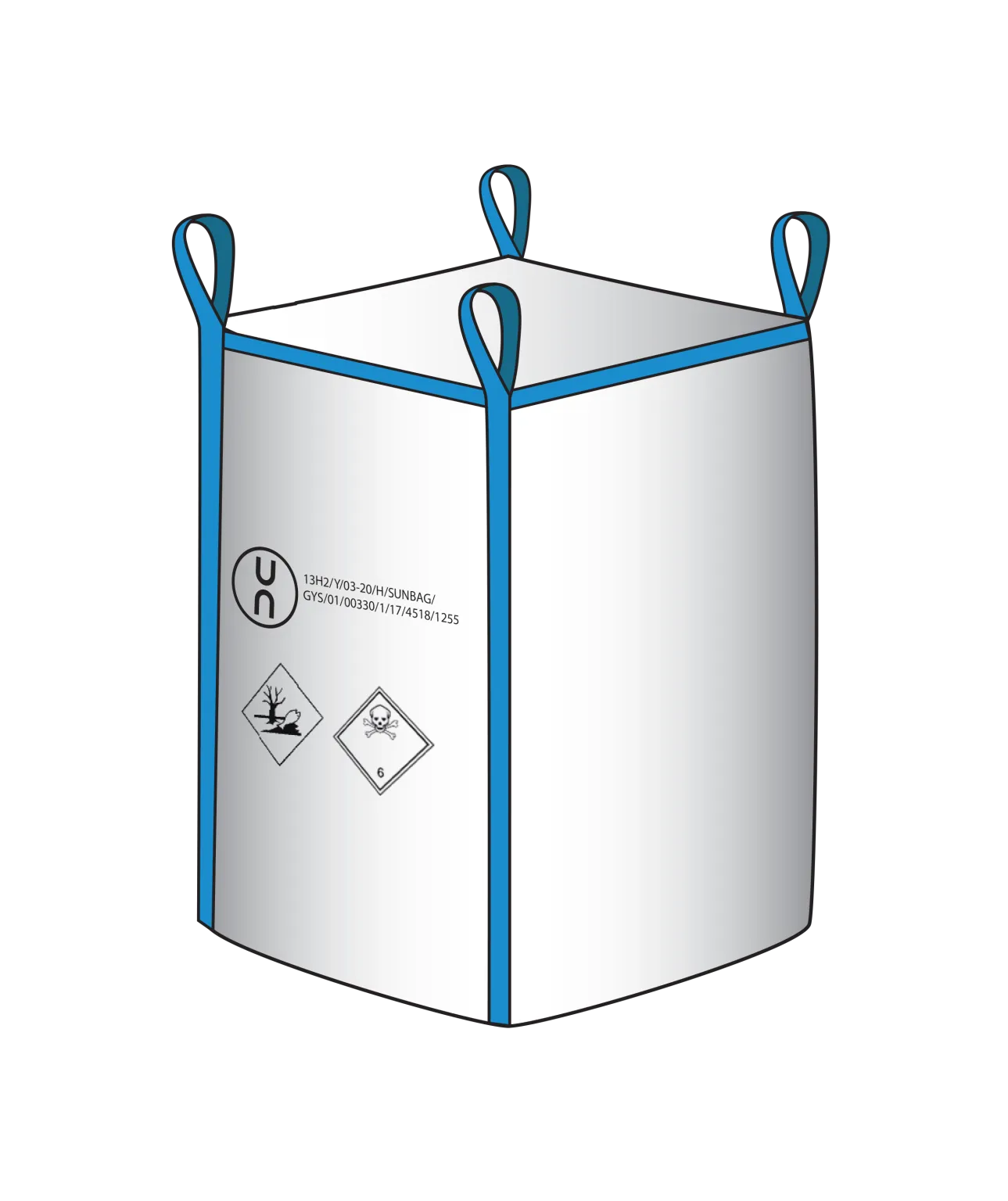
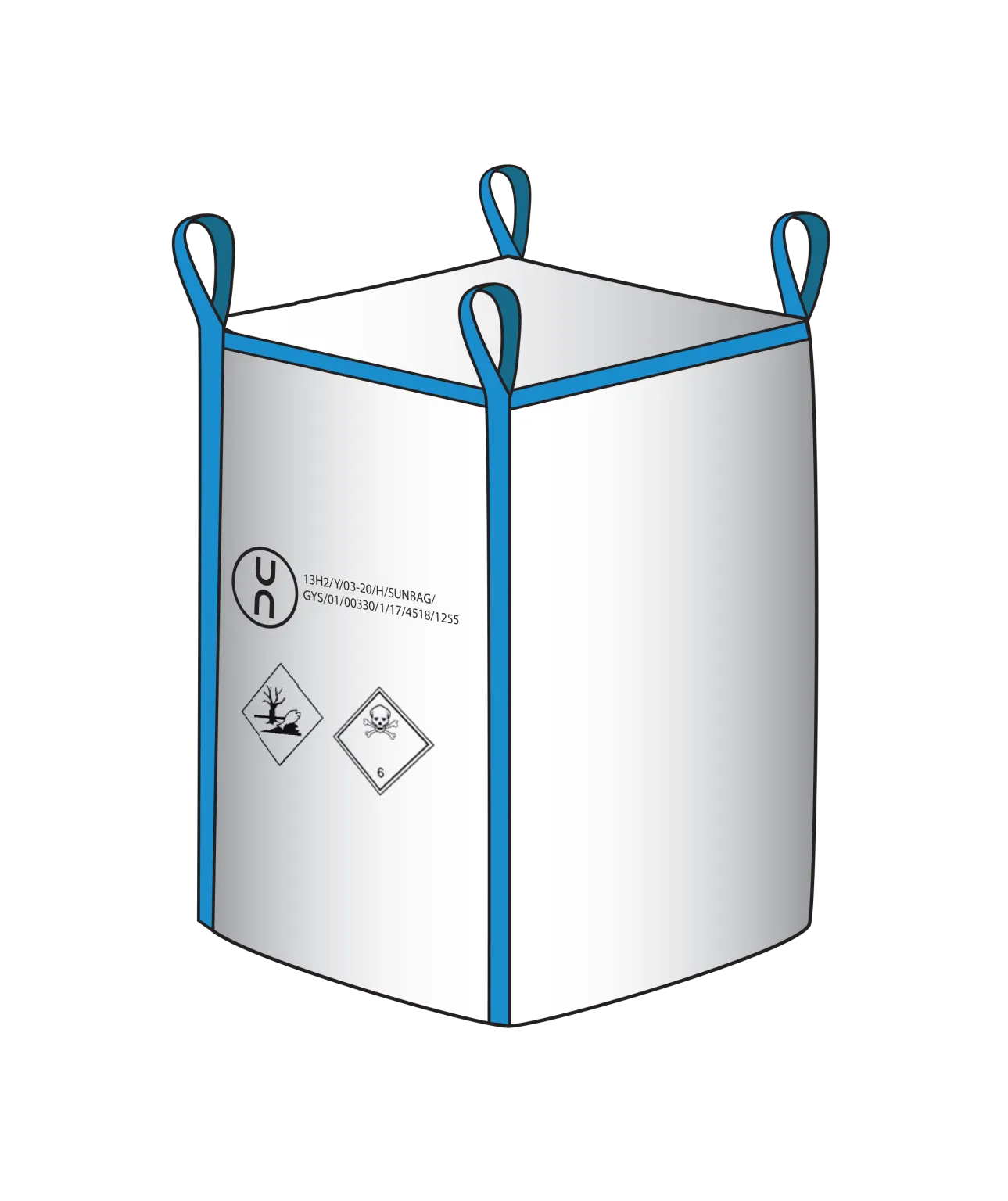
UN Big Bags (Hazardous Goods Transportation Bags) are specialized packaging solutions designed for the safe transport of substances classified as "hazardous" by international standards via road, sea, and rail.
These bags must undergo rigorous testing procedures established by the United Nations (UN). Here are the fundamental features of UN Big Bags:
1. Certification and Marking
Every UN Big Bag carries a permanent UN certification code. This code specifies which hazard class the bag is suitable for, the maximum carrying capacity, the production date, and the certifying body.
2. Classification by Hazard Groups
Substances are categorized into three main groups based on their risk level:
Group I (X): High danger substances (Rarely used in Big Bags).
Group II (Y): Medium danger substances.
Group III (Z): Low danger substances.
3. Mandatory Testing Procedures
To receive a "UN" marking, a Big Bag must successfully pass the following tests:
Drop Test: The bag must not burst when dropped from a specific height while full.
Topple Test: The bag must maintain its integrity and not leak when toppled.
Righting Test: The bag must not sustain damage when lifted by its loops from a toppled position.
Stacking Test: It must maintain its form under a specific weight during stacking.
Tear and Spread Test: A knife cut on the bag must not lead to an uncontrolled spill of the load.
4. Technical Structure and Safety Factor
Safety Factor (SF): While standard Big Bags usually have a 5:1 ratio, UN Big Bags always have a 6:1 safety factor (even for single-trip use).
Liner: They are typically produced with special lamination or internal polyethylene liners to prevent the leakage of powders or liquids.
Fabric Structure: Generally manufactured from high-strength, UV-resistant polypropylene (PP) fabric.