Loading...




LİNED BIG BAG
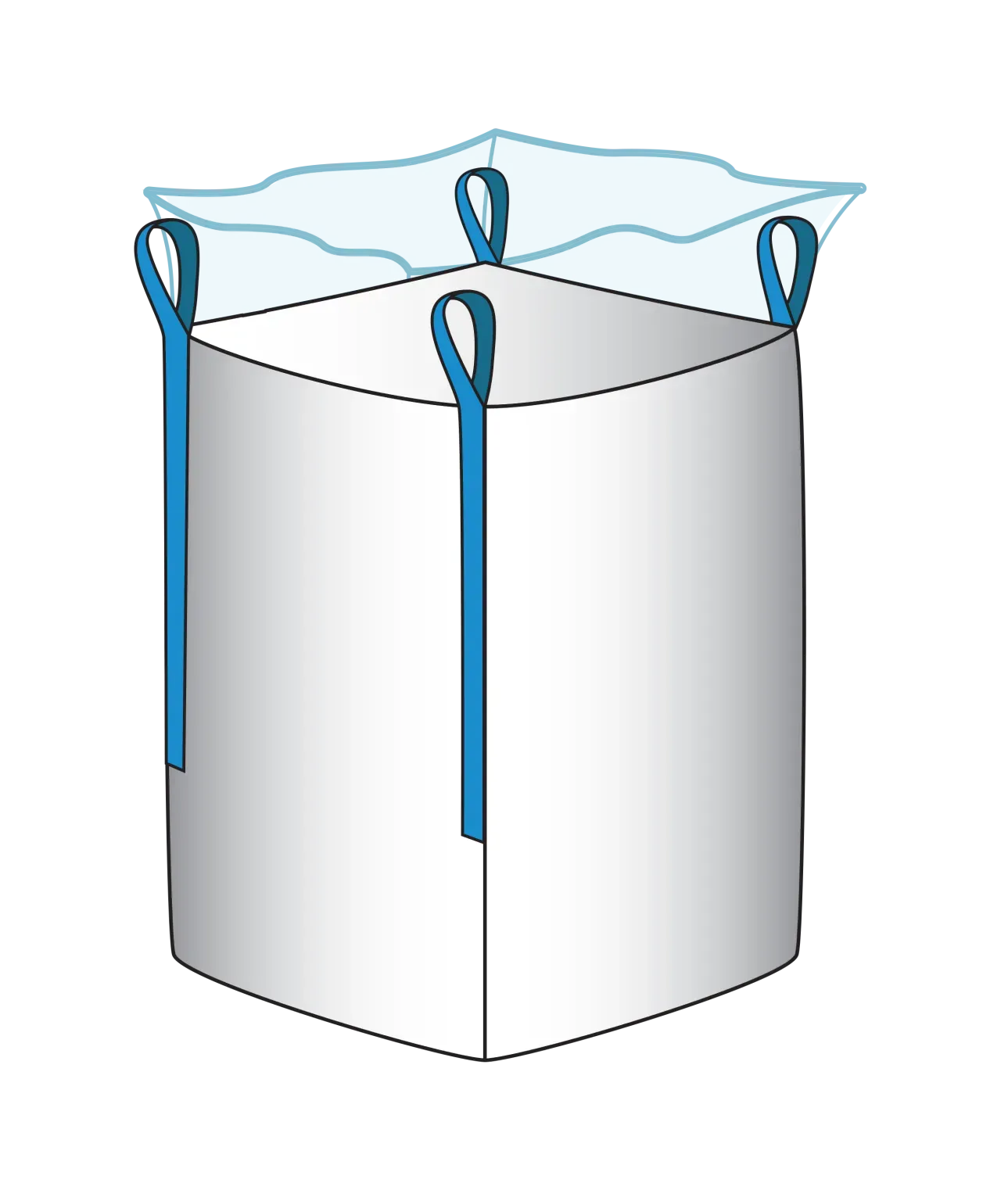
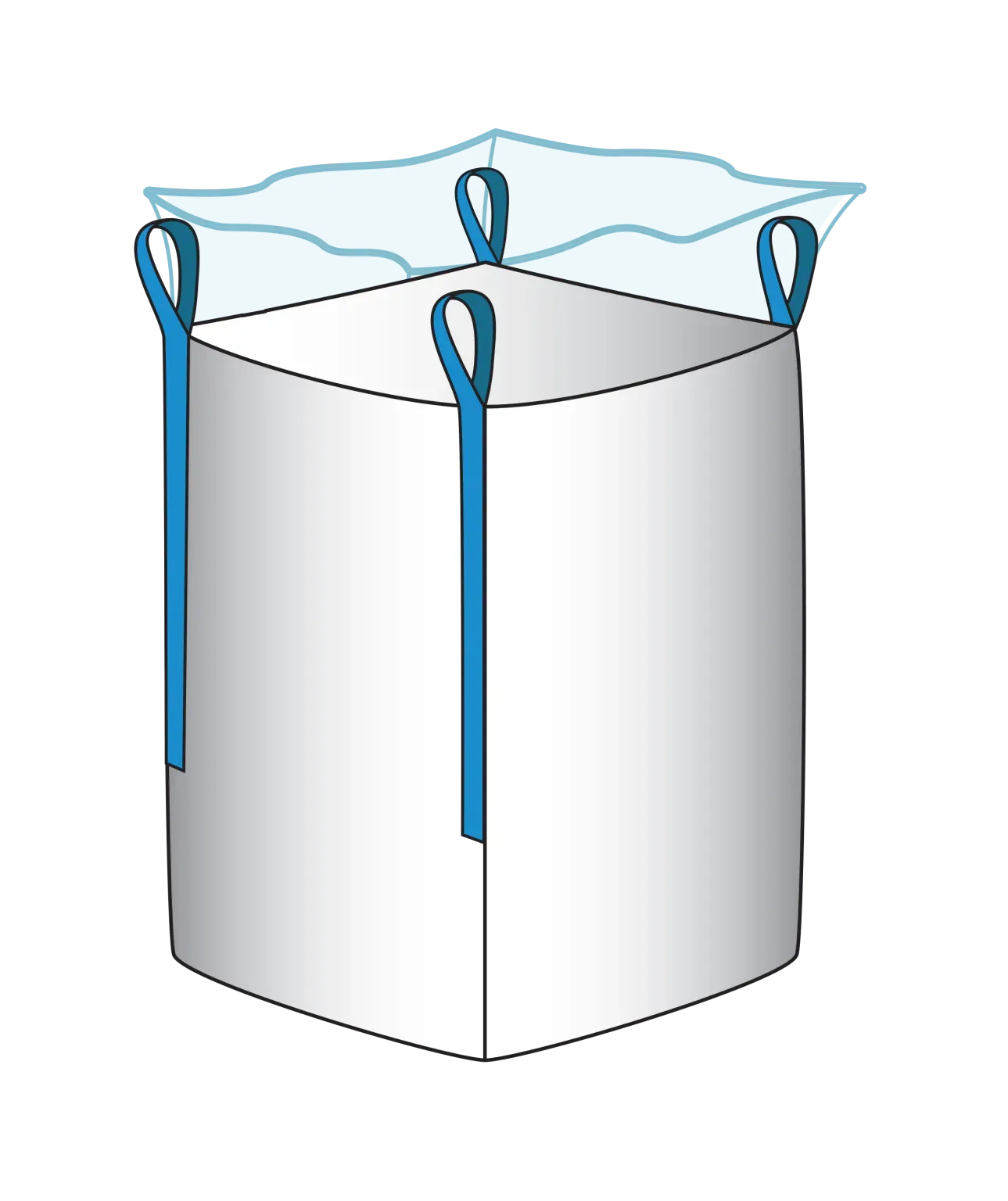
LİNED BIG BAG
What is a Big Bag with Liner (LİNED Big Bag)?
A Big Bag with Liner (technically known as a Liner Bag), is an FIBC model that includes an internal polyethylene (PE) plastic bag (liner). Since standard woven bags have a porous structure, they can leak very fine powders or allow external moisture to seep in. The internal liner is used to eliminate these issues.
Here are the features and primary purposes of Big Bags with Liners:
1. Key Features
Sift-Proofing: It 100% prevents even the finest powder particles (micronized products) from leaking through the woven fabric.
Moisture and Water Barrier: It prevents external moisture from contacting the product. It also stops liquids from wet or damp products inside from leaking out.
Airtight Barrier: It reduces the product's contact with oxygen, delaying oxidation or spoilage.
Food Grade Compliance: Food products are typically transported with special food-grade plastic liners to ensure they do not come into direct contact with the woven fabric.
2. Methods of Inserting the Liner
The plastic liner can be installed in the bag in different ways depending on the requirements:
Loose Inserted: The liner is simply placed inside the bag without being fixed.
Stitched/Fixed: The liner is sewn into the top or bottom seams of the bag to prevent it from slipping or moving.
Glued Liner: The liner is glued to the inner surface of the fabric; this is the best method for automatic filling machines to prevent the liner from being pulled down.
Bottle Shape (Form-Fit) Liner: The liner is manufactured in a "bottle" shape to perfectly match the filling and discharge spouts of the bag.
3. Application Areas
Big Bags with liners are indispensable in the following sectors:
| Sector | Material Transported | Why use a Liner? |
| Chemical | Carbon black, dyes, powder chemicals | To prevent powder leakage and contamination. |
| Food | Sugar, milk powder, flour, starch | To prevent moisture and ensure hygiene. |
| Mining | Cement, lime, fine sand | To stop dust from escaping. |
| Agriculture | Fertilizers | To prevent the fertilizer from absorbing moisture and clumping. |
4. Technical Details
Liner Thickness: Generally ranges between 40 microns and 150 microns depending on the need.
Fabric: Since the liner provides the leak-proofing, the outer fabric is usually unlaminated, though laminated fabric can be used for extra protection.
Important Warning: If you are transporting explosive or flammable powders, it is vital to use Antistatic (Type B, C, or D) liners and fabrics to prevent static electricity build-up caused by the plastic liner.